- Version
- Download 64
- File Size 12 MB
- File Count 1
- Create Date August 20, 2025
- Last Updated October 6, 2025
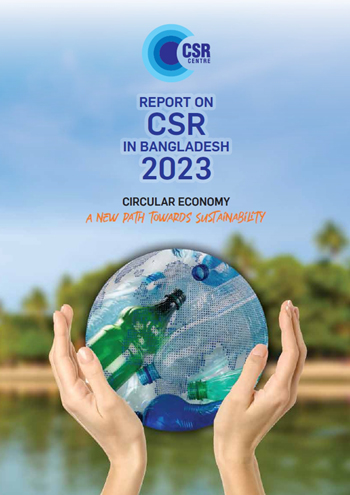
Circular Economy: A New Path Towards Sustainability
The linear "take-make-dispose" economic model has reached its environmental and social limits, exposing vulnerabilities in global supply chains and accelerating resource depletion. In response, the circular economy emerges as a transformative framework that redefines growth by decoupling economic activity from finite resource consumption. Through intentional design, it maintains products, components, and materials at their highest utility and value across cycles of use, replacing the concept of waste with restoration and regeneration. This represents a fundamental systemic shift—from a cradle-to-grave approach to a cradle-to-cradle paradigm—where materials are viewed as nutrients for subsequent production cycles rather than trash destined for landfills or incineration.
Beyond environmental benefits, the circular economy unlocks new avenues for innovation, competitiveness, and inclusive development. By emphasizing resource efficiency, product-life extension, and material recovery, it not only reduces ecological footprints but also fosters economic resilience and creates green jobs. In developing economies like Bangladesh—where resource constraints and waste management challenges intersect with rapid industrialization—the circular model offers a strategic pathway to sustainable industrialization. It enables businesses to transform waste into wealth, communities to gain cleaner environments, and nations to build self-reliant, low-carbon economies aligned with the Sustainable Development Goals, ultimately creating a more equitable and sustainable future for all.